The company
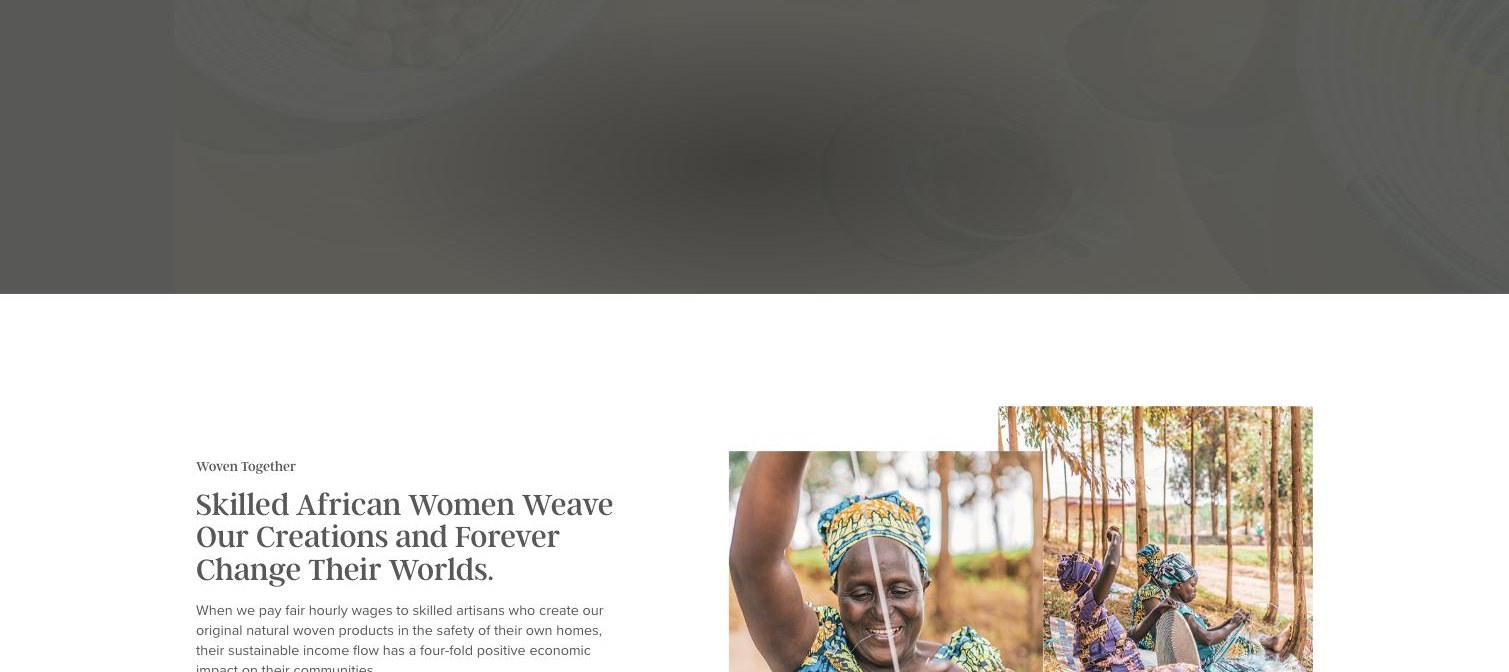
Kazi sells hand-woven home goods — baskets, coasters, placemats — made by artisan partners in Uganda, Rwanda, and Ghana, with a founding mission of paying those artisans fair, equitable wages. It's a genuinely mission-driven brand, which turned out to be exactly the kind of story that's easy to fall in love with once a buyer sees it — the actual bottleneck was getting seen at all.
Where they started
Per Amazon Ads' account, founder Alicia Wallace put the problem plainly: once people knew about Kazi, converting them was the easy part — the brand simply didn't have enough people who'd heard of it yet. That's a brand-awareness problem, not a product-market-fit problem, and it called for a different fix than better copy or a lower price.
What they did
Kazi built a layered Amazon Ads strategy rather than a single campaign type:
- Sponsored Brands (image and video ads) and A+ Content to tell the artisan-partnership story on the product page itself, where a browsing buyer could actually absorb it.
- Sponsored Products and Display ads to do the harder, cheaper job of getting a first click from someone who'd never encountered the brand.
- A deliberate testing move: alongside its more ornate, higher-price woven pieces, Kazi tested lower-cost "home essentials" items. Cattail placemats emerged from that test as an unexpected hero product — cheap enough to be a low-risk first purchase, distinctive enough to convert browsers.
- When the placemats sold out, Kazi didn't let the momentum stall — it shifted Sponsored Products and Display spend to complementary cattail products to keep the discovery engine running on the same theme.
The numbers
Comparing June 2023 to June 2024, Amazon Ads reports Kazi's sales grew 350% year-over-year, with 80% of all Amazon sales attributable to Amazon Ads — a sign the brand's awareness problem, not its conversion rate, really was the binding constraint. Kazi's best single month (March 2024) hit a 4.0 ROAS.
Source: Amazon Ads' Kazi case study. Best single month ROAS: 4.0 (March 2024).
Why this worked
The mechanism worth copying isn't "run more ad types" — it's the testing discipline: Kazi didn't assume its best-looking, highest-margin product was also its best discovery product. A cheap, low-commitment item turned out to unlock the brand for buyers who weren't ready to spend on the flagship pieces yet, and once that pattern showed up in the data, Kazi built the rest of the campaign around reinforcing it rather than around what the brand wanted to be known for. See ROAS vs. ACOS vs. TACOS for how to read a result like Kazi's 4.0 ROAS month in the context of your own break-even math, and this hub's own Ad ROAS/ACOS by Category benchmark for how that figure compares across categories.
What to take from this if you're earlier in this path
If a differentiated, higher-price product isn't converting cold traffic as fast as you'd like, consider whether a smaller, lower-risk item from the same catalog could be doing more of the discovery work — Sponsored Products and Display are generally cheaper per click than Sponsored Brands, which makes them a better fit for that first-touch job. See How to Set Up Your First Sponsored Products Campaign to start.
FAQ
Does an 80% ads-attribution rate mean Kazi's organic listing wasn't working? Not necessarily — Amazon's attribution counts a sale as ad-driven based on a qualifying ad interaction in the path to purchase, which is common for a brand still building organic ranking and review volume. As organic reviews and ranking build over time (see How to Generate More Product Reviews), that ratio typically shifts as organic search starts carrying more of the discovery load.